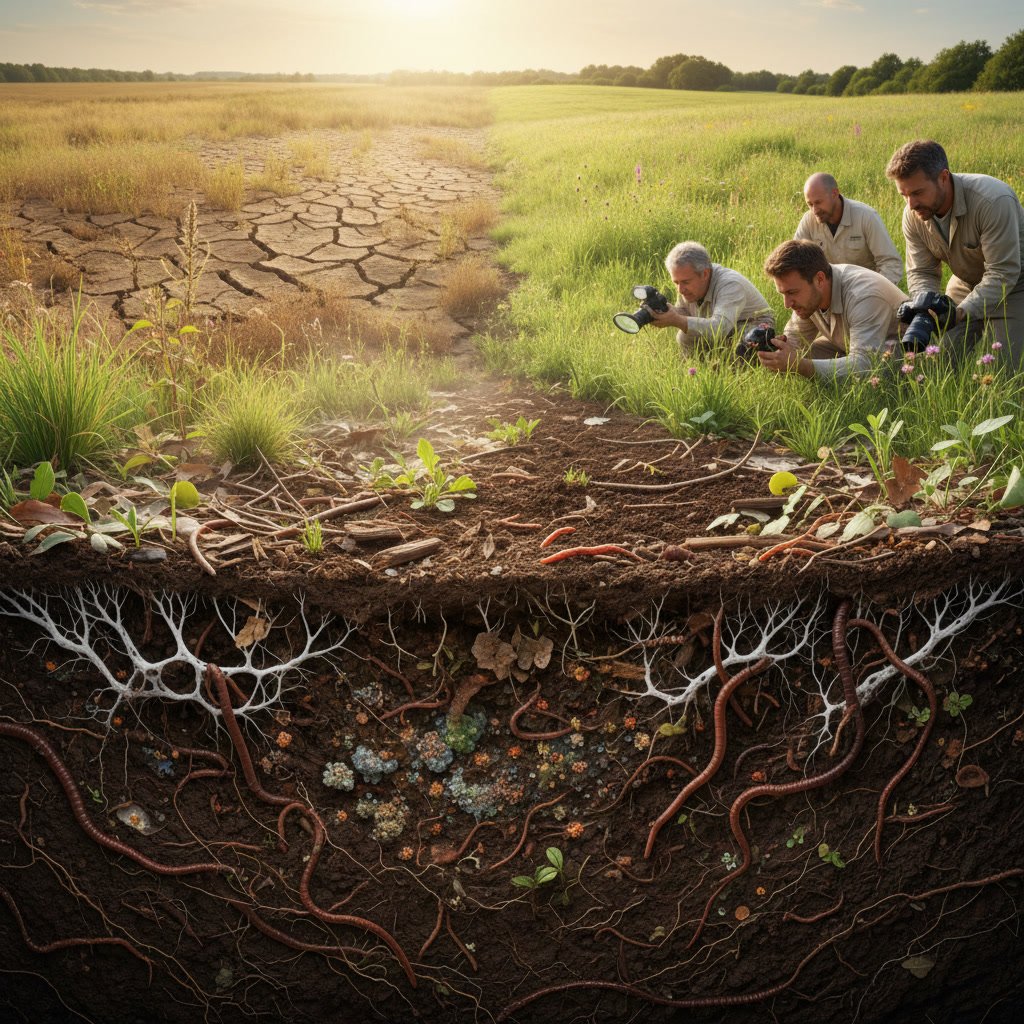
Soil biology rebuilding restores degraded landscapes by reintroducing beneficial microorganisms and fungi that naturally regulate plant health, nutrient cycling, and disease resistance. This science-based process targets the root cause of declining trees, shrubs, and turf rather than masking symptoms with chemicals. Healthy soil ecosystems contain billions of organisms per teaspoon, yet conventional practices often strip these living networks away, leaving plants vulnerable to pests, drought, and disease.
Why Southern California Landscapes Fail Despite Regular Maintenance
Property owners often invest thousands in irrigation, fertilizers, and pest control only to watch plants decline year after year. The missing piece is rarely water or nutrients. Most failing landscapes suffer from dead or severely depleted soil biology. Without active microbial communities, plant roots cannot access the minerals already present in soil. Even expensive fertilizers wash away or lock up chemically, never reaching the plant tissue that needs them.
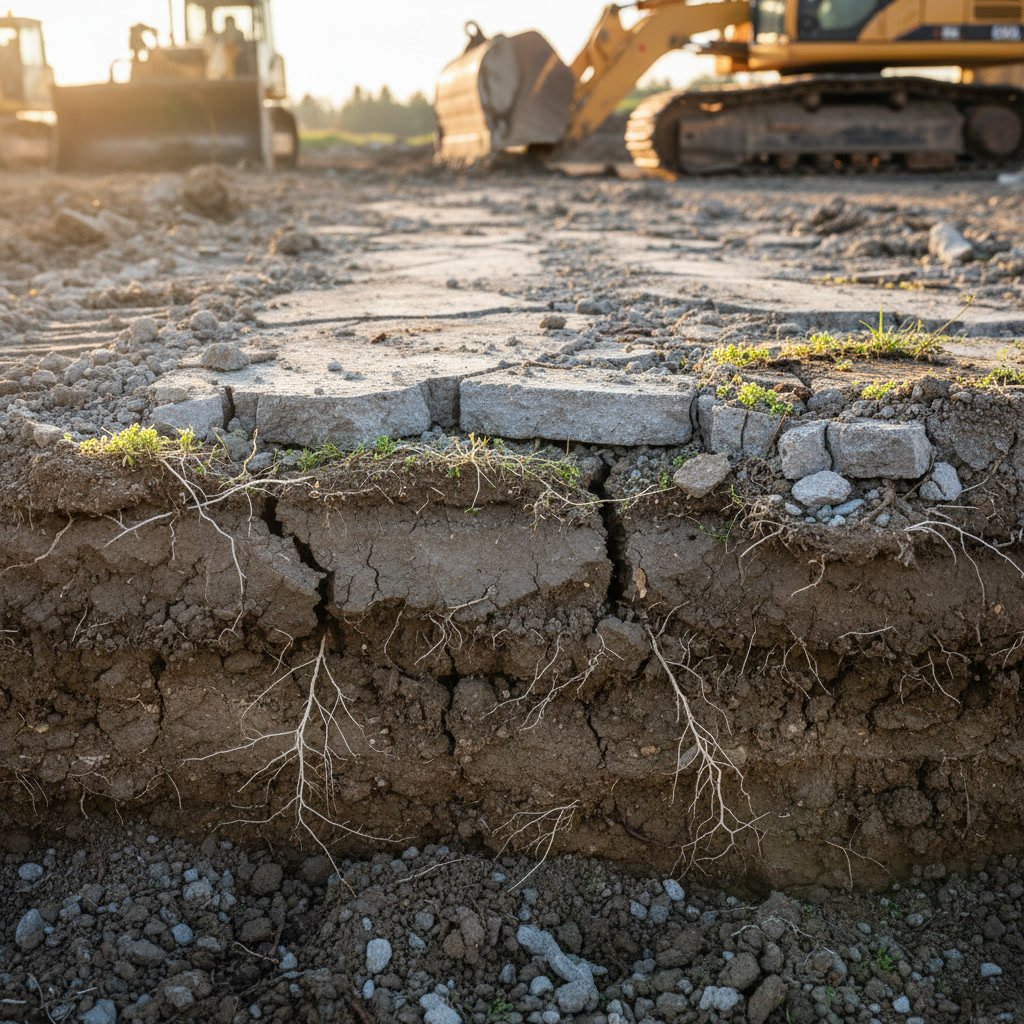
Compacted soils, overuse of synthetic chemicals, and poor drainage create hostile environments for beneficial organisms. Over time, the soil becomes biologically sterile. Plants growing in these conditions exhibit chronic stress symptoms: yellowing leaves, stunted growth, increased susceptibility to borers and pathogens, and early death.
The Hidden Network That Keeps Plants Alive
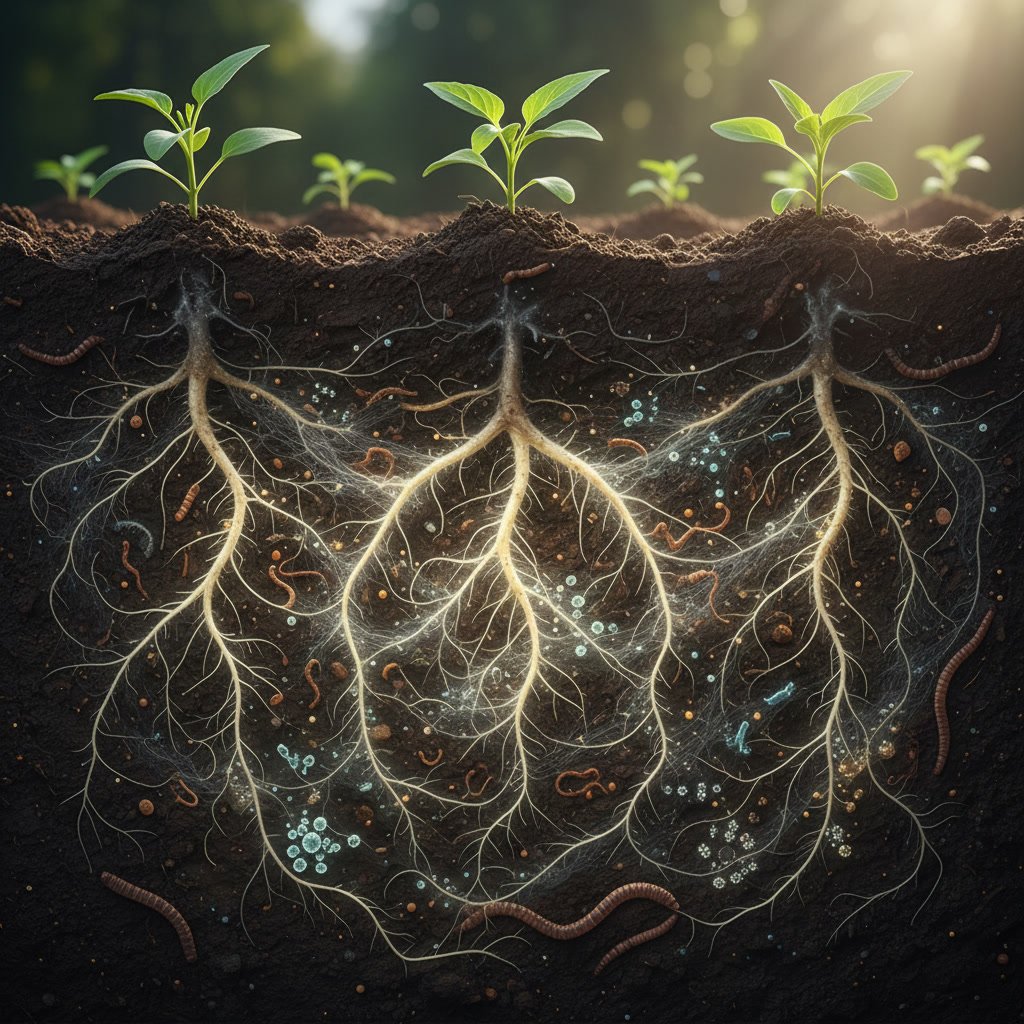
Healthy soil functions as a living organ, not an inert growing medium. Bacteria, fungi, protozoa, nematodes, and other microorganisms form symbiotic relationships with plant roots. Mycorrhizal fungi, for example, extend root systems by up to 1,000 times their original surface area, accessing water and nutrients far beyond the reach of roots alone.
These organisms also produce natural antibiotics that suppress disease, chelate minerals into plant-available forms, and build stable soil structure that resists compaction and erosion. When this network collapses, plants lose their primary support system. No amount of surface fertilizer or irrigation can compensate for a broken soil food web.
Four Stages of Biological Soil Restoration
Restoring soil biology follows a systematic process that addresses physical, chemical, and biological barriers to microbial life.
Stage One: Physical Decompaction
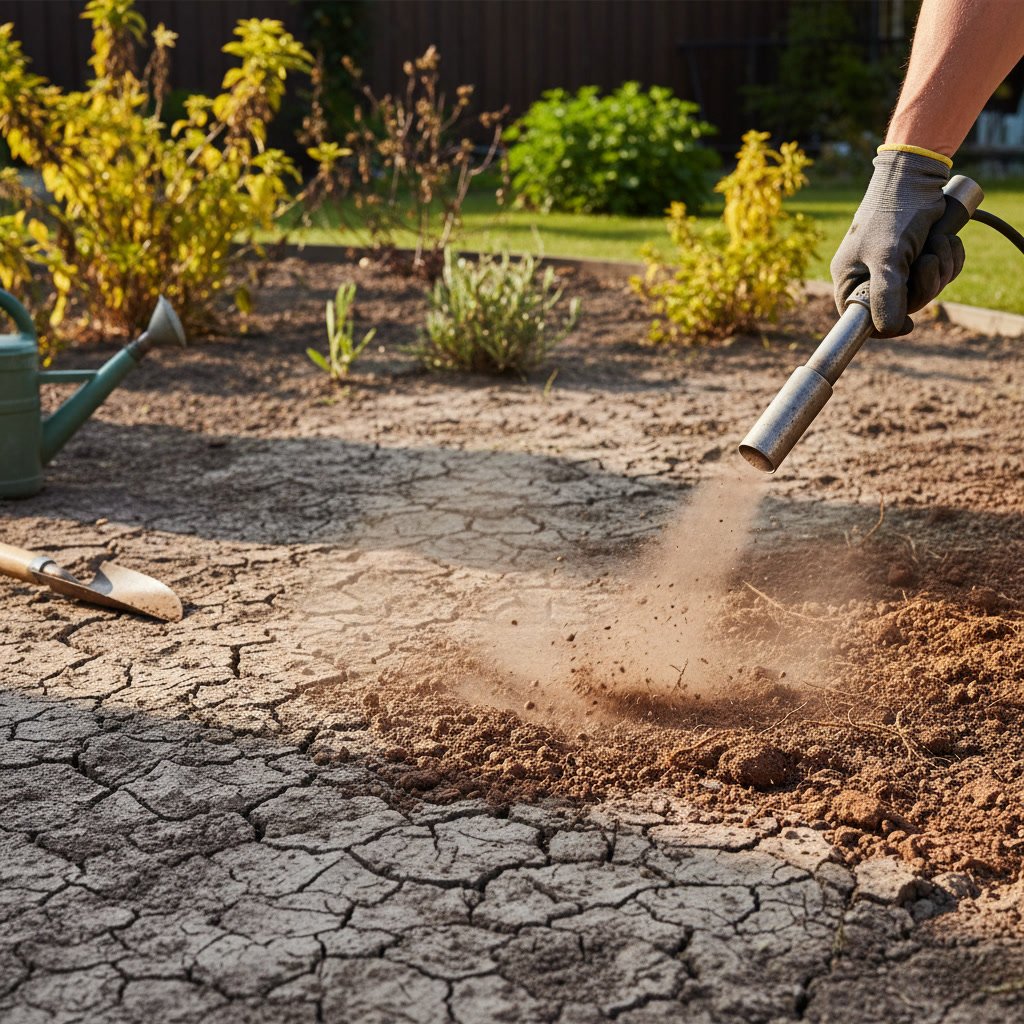
Compacted soil suffocates roots and microbes by eliminating air pockets. Mechanical decompaction using tools like the AirSpade breaks up hardpan layers without severing roots. This step creates the pore space necessary for oxygen diffusion, water infiltration, and microbial colonization.
Stage Two: Chemical Rebalancing
Soil testing reveals pH imbalances, salt accumulation, and mineral deficiencies that inhibit microbial activity. Amendments like gypsum, sulfur, or specific mineral blends correct these issues. Unlike generic fertilizers, targeted amendments address the precise chemical barriers preventing biological recovery.
Stage Three: Microbial Inoculation
High-quality compost teas, mycorrhizal inoculants, and beneficial bacteria cultures reintroduce living organisms to sterile soil. Application timing matters. Microbes need adequate moisture and moderate temperatures to establish. Spring and fall typically offer the best conditions in Southern California.
Stage Four: Ongoing Nutrient Cycling
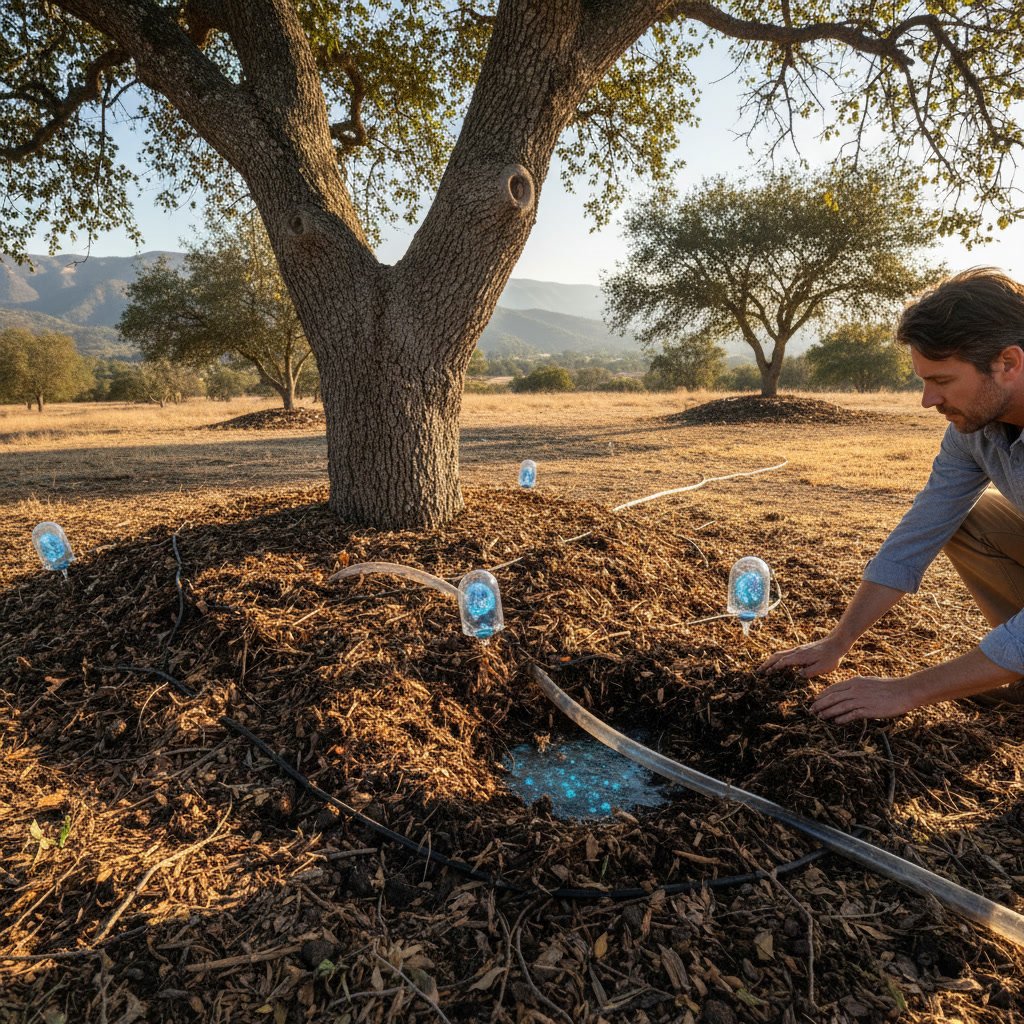
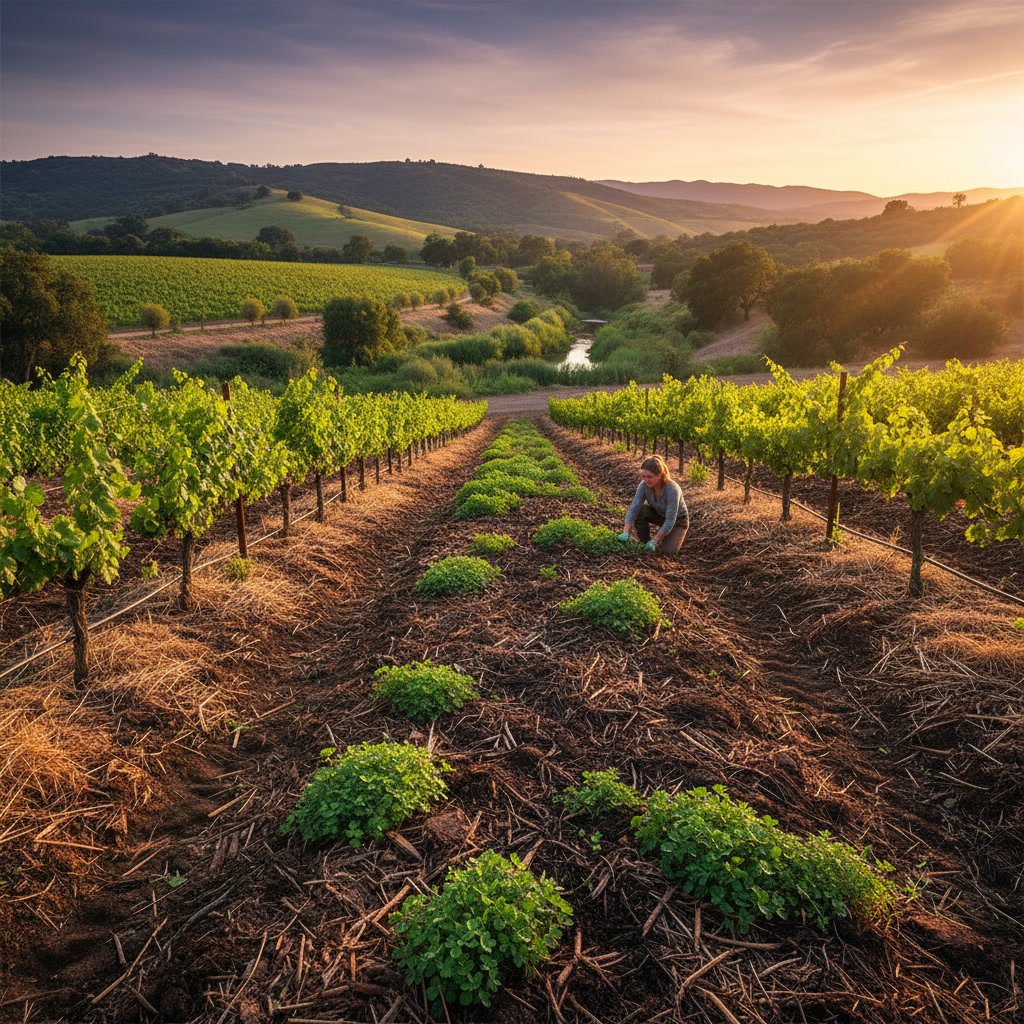
Once established, microbial populations require carbon sources to sustain themselves. Mulching with wood chips, compost, or other organic matter feeds the soil food web. As microbes break down organic material, they release nutrients in forms plants readily absorb. This creates a self-sustaining cycle that reduces long-term fertilizer dependence.
How Biological Restoration Differs From Conventional Treatments
Traditional landscape care focuses on visible plant symptoms. Yellowing palm fronds trigger potassium applications. Borer infestations prompt insecticide injections. These treatments may provide temporary relief but rarely solve underlying problems.
Biological restoration starts below ground. By rebuilding the microbial ecosystem, it strengthens plant immune systems, improves nutrient uptake efficiency, and enhances stress tolerance. Plants supported by active soil biology naturally resist pests and diseases that devastate chemically dependent landscapes.
The cost structures also differ dramatically. Conventional programs require perpetual chemical inputs. Biological systems, once established, become increasingly self-sufficient. While initial restoration requires investment, maintenance costs drop as soil health improves.
Measurable Indicators That Biology Is Returning
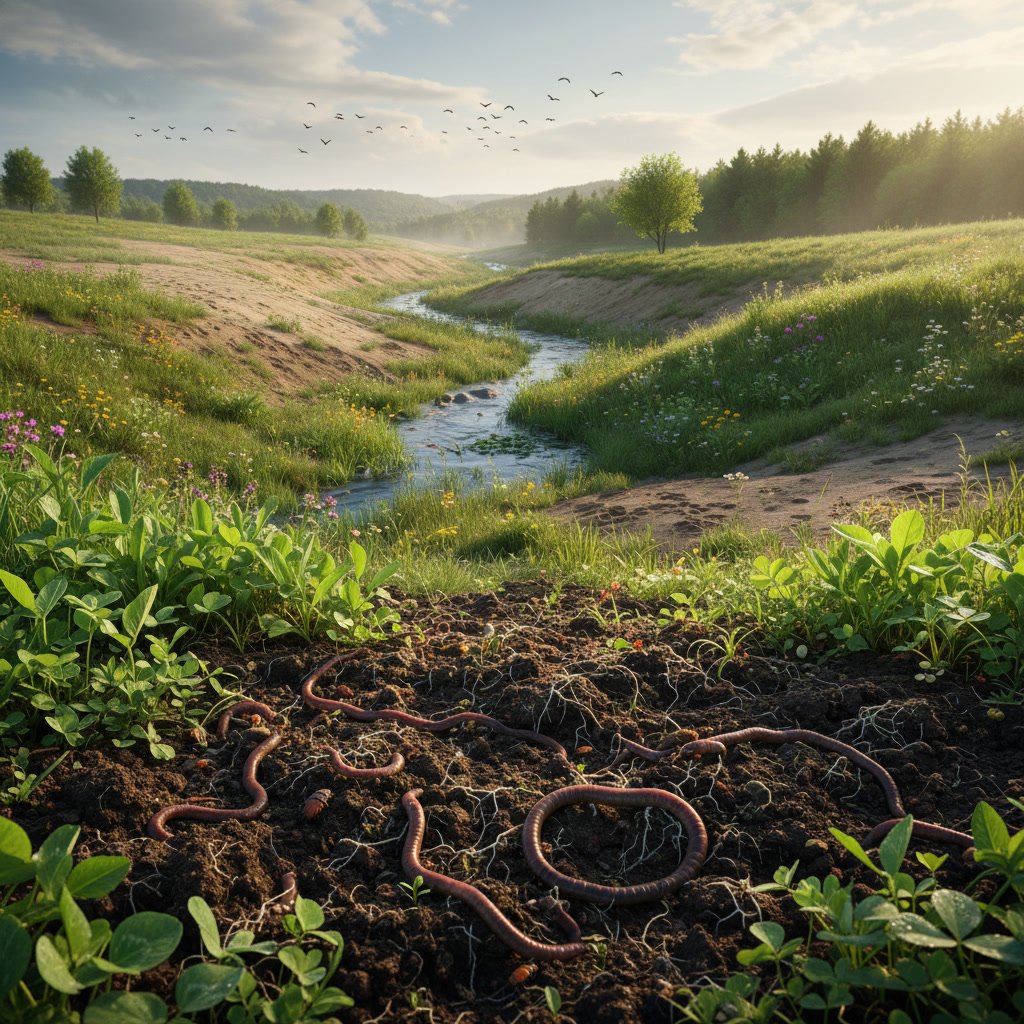
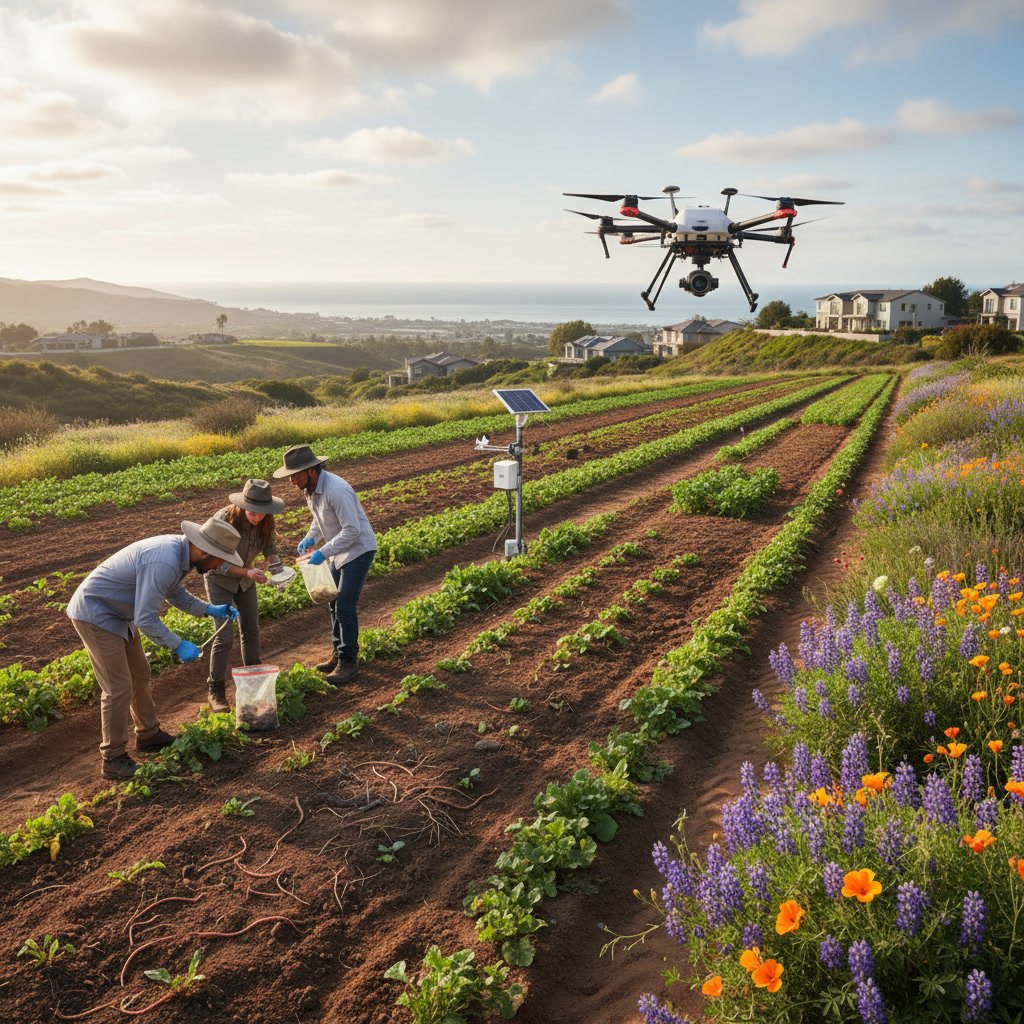
Soil health improvements become visible within weeks to months, depending on initial conditions and climate. Early indicators include increased earthworm populations, improved water infiltration rates, and the appearance of beneficial fungi near root zones.
Plant responses follow. New growth emerges with deeper green coloration. Leaf retention improves. Trees and shrubs show increased resistance to heat stress and drought. Laboratory soil tests reveal rising organic matter percentages, improved nutrient availability, and balanced microbial populations.
Professional monitoring tracks these changes using baseline soil samples compared against follow-up tests six to 12 months later. Quantifiable data confirms whether interventions are working or need adjustment.
Why Oak Trees and Palms Respond Differently to Biological Treatment
Different plant species rely on distinct microbial partnerships. Oak trees form deep mycorrhizal associations with specific fungi that provide drought tolerance and nutrient access in low-fertility soils. When gold spotted oak borers attack already stressed trees, restoring mycorrhizal networks often proves more effective than insecticides alone.
Palms, by contrast, lack mycorrhizal associations but depend heavily on bacterial communities that fix nitrogen and solubilize micronutrients like manganese and iron. Palm nutrition therapy combines targeted mineral supplements with bacterial inoculants to address deficiencies that cause frond yellowing and bud rot.
Effective restoration protocols match microbial treatments to plant requirements. Generic approaches ignore these species-specific relationships and deliver inconsistent results.
Common Obstacles That Slow Biological Recovery
Several factors interfere with microbial reestablishment. Residual pesticides and herbicides suppress beneficial organisms for months after application. Poor drainage creates anaerobic conditions that favor harmful bacteria over beneficial species. Continued soil compaction from foot traffic or equipment undoes decompaction work.
Irrigation practices also matter. Frequent shallow watering encourages shallow root systems and discourages deep microbial colonization. Deep, infrequent watering promotes root growth into biologically active soil layers.
Property owners who continue conventional chemical programs alongside biological treatments often see minimal improvement. Synthetic fertilizers and broad-spectrum pesticides kill the very organisms restoration aims to reestablish. Transitioning to biological methods requires commitment to changing old habits.
Science-Based Solutions for North County Coastal and Inland Properties
SD SOIL AND SOUL LLC applies biological restoration across diverse microclimates in San Diego County, from coastal Encinitas and Del Mar to inland Fallbrook and Ramona, as well as Southwest Riverside areas including Temecula and Murrieta. Coastal properties face salt spray and sandy soils low in organic matter. Inland sites contend with clay hardpan, extreme heat, and alkaline pH.
Each environment requires customized treatment protocols. Coastal restoration emphasizes salt-tolerant microbial strains and organic matter incorporation to improve water retention in sandy soils. Inland projects prioritize deep decompaction, pH correction, and heat-adapted beneficial fungi.
Local soil conditions vary dramatically even within small areas. Professional assessment identifies the specific biological, chemical, and physical barriers limiting plant health on each property.
The Role of Carbon in Sustaining Microbial Populations
Soil microbes require carbon as their primary energy source. In natural ecosystems, leaf litter, dead roots, and decaying plant material provide continuous carbon inputs. Maintained landscapes that remove all organic debris starve soil biology.
Mulching restores this carbon flow. A three to four inch layer of wood chips or compost feeds microbial populations while moderating soil temperature and moisture. As microbes consume carbon, they excrete nutrients and build humus, the stable organic fraction that improves soil structure and water-holding capacity.
The carbon-to-nitrogen ratio of amendments matters. High-carbon materials like wood chips may temporarily tie up nitrogen as microbes multiply. Balancing carbon sources with nitrogen-rich compost or targeted amendments prevents temporary nutrient deficiencies during the establishment phase.
Expected Timelines for Visible Landscape Improvement
Realistic expectations prevent frustration during restoration. Physical improvements like better drainage and reduced compaction appear within days of treatment. Chemical rebalancing takes four to eight weeks as amendments dissolve and integrate into soil.
Microbial populations establish within two to six months under favorable conditions. Plant health responses lag biological changes by several weeks. Most properties show noticeable plant vigor improvements within six to nine months of initial treatment.
Full restoration of severely degraded soils may require two to three years of sustained effort. Each growing season builds on previous gains. Properties that commit to long-term biological management achieve increasingly dramatic results as soil ecosystems mature.
Building Landscapes That Thrive With Less Intervention
Restored soil biology creates resilient landscapes that require less water, fewer chemicals, and minimal intervention to maintain. Healthy soil acts as a living buffer against environmental stress, supporting plants through droughts, heat waves, and pest pressures that devastate conventional landscapes.
This approach aligns with sustainable land management principles while delivering superior aesthetic and functional outcomes. Property values rise when mature trees and established plantings thrive year after year instead of declining despite intensive care.
The science behind biological restoration is well established, yet implementation requires expertise in soil chemistry, microbiology, and plant physiology. Professional assessment and ongoing monitoring ensure treatments address actual limiting factors rather than guessed-at problems.
SD SOIL AND SOUL LLC provides science-based tree and soil health services designed to solve root causes of landscape decline. If your property shows signs of chronic plant stress despite regular maintenance, restored soil biology may be the missing piece. Contact us at +17609357256 to schedule a professional soil and plant health assessment.