
Healthy soil biology creates a living sponge that captures and holds water in your landscape. When microbial life thrives below ground, root systems expand deeper and organic matter increases, reducing runoff and drought stress across Southern California properties. Rebuilding soil biology transforms compacted, hydrophobic earth into a reservoir that feeds trees and plants through dry seasons, cutting irrigation costs and protecting your investment.
Why Southern California Soils Struggle to Hold Water
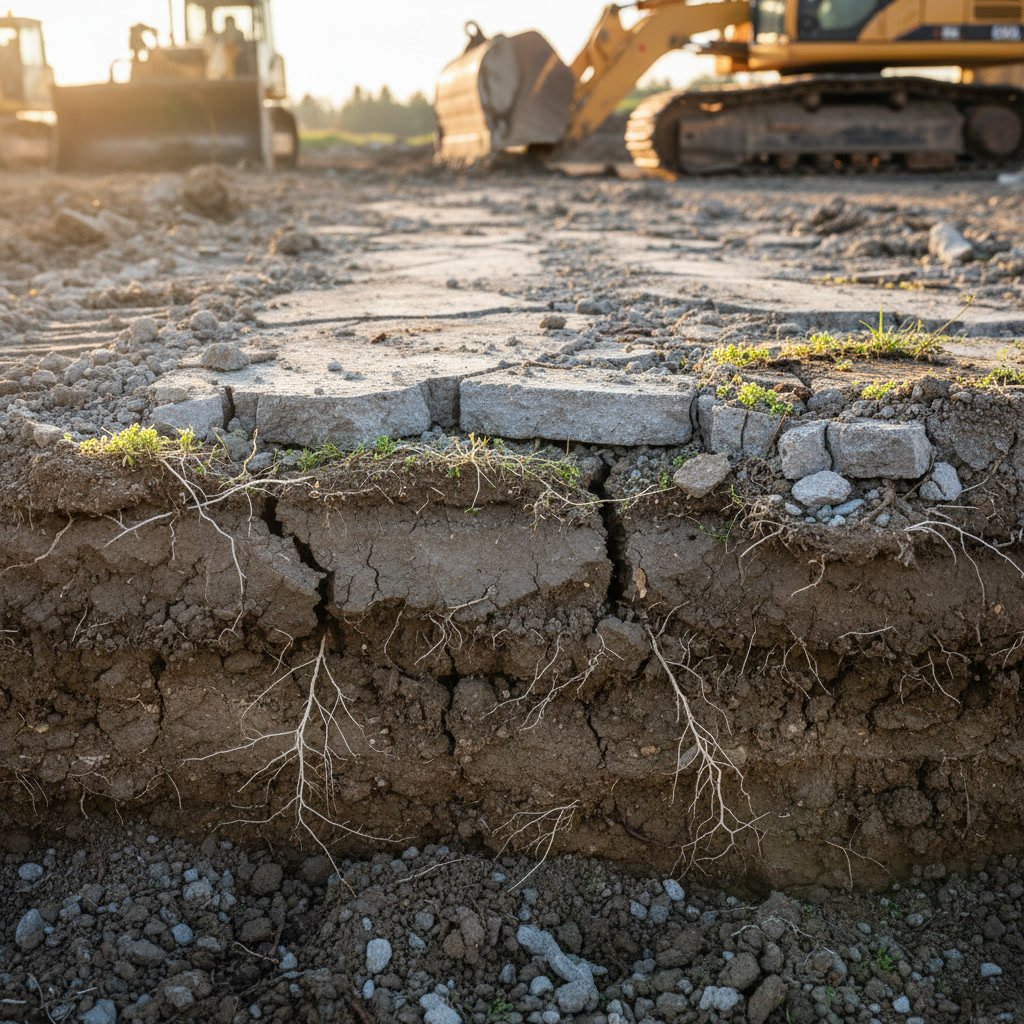
Native clay and decomposed granite substrates across the region lack the organic structure needed to absorb rainfall or irrigation efficiently. Compaction from foot traffic, equipment, and years of neglect further collapse pore spaces where water should collect. Without active microbial communities to bind particles and create aggregates, water sheets across the surface or penetrates only the top inch before evaporating.
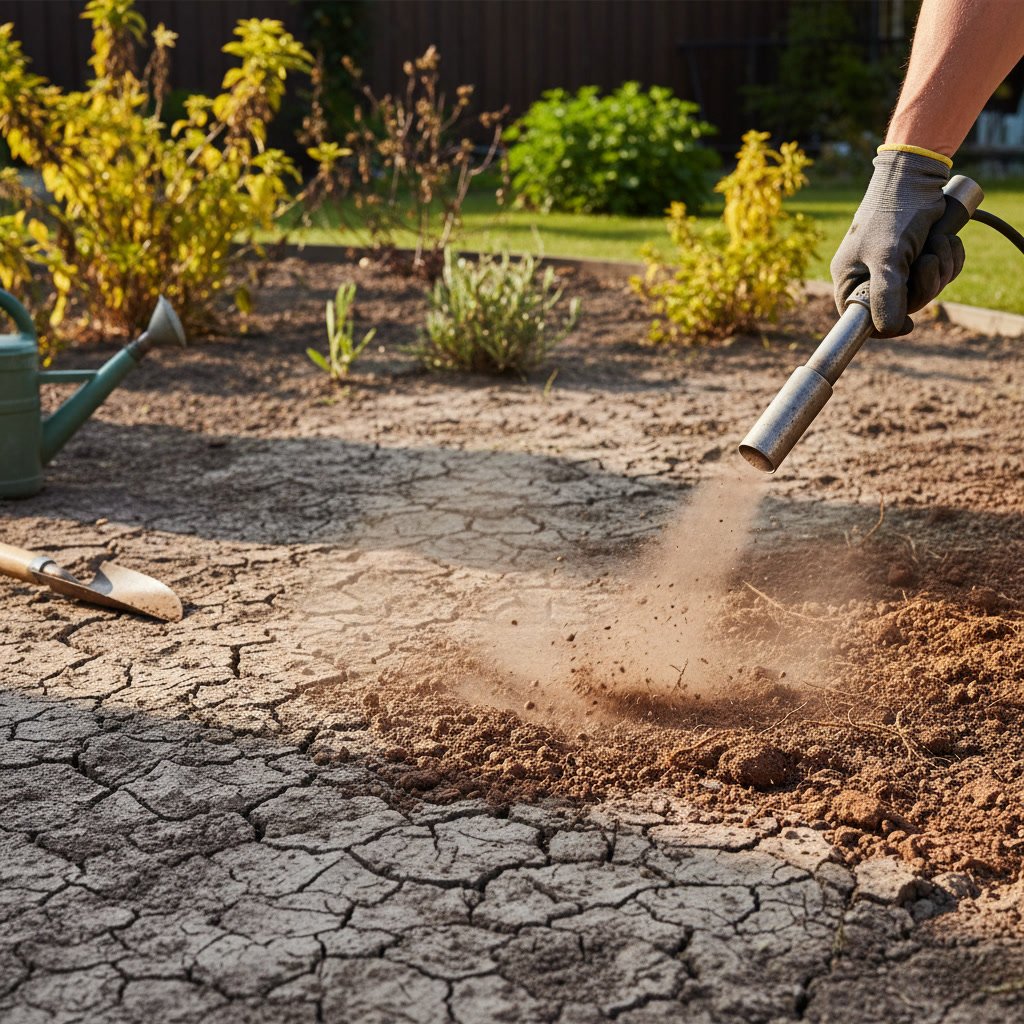
Heat and low annual rainfall create a cycle where dry soil becomes hydrophobic, repelling moisture instead of welcoming it. Dead root channels that once guided water deep into the profile collapse when soil biology dies off. The result is landscapes that need constant watering yet still show stress, because the water never reaches the root zone where it matters.
The Hidden Role of Microbes in Water Storage
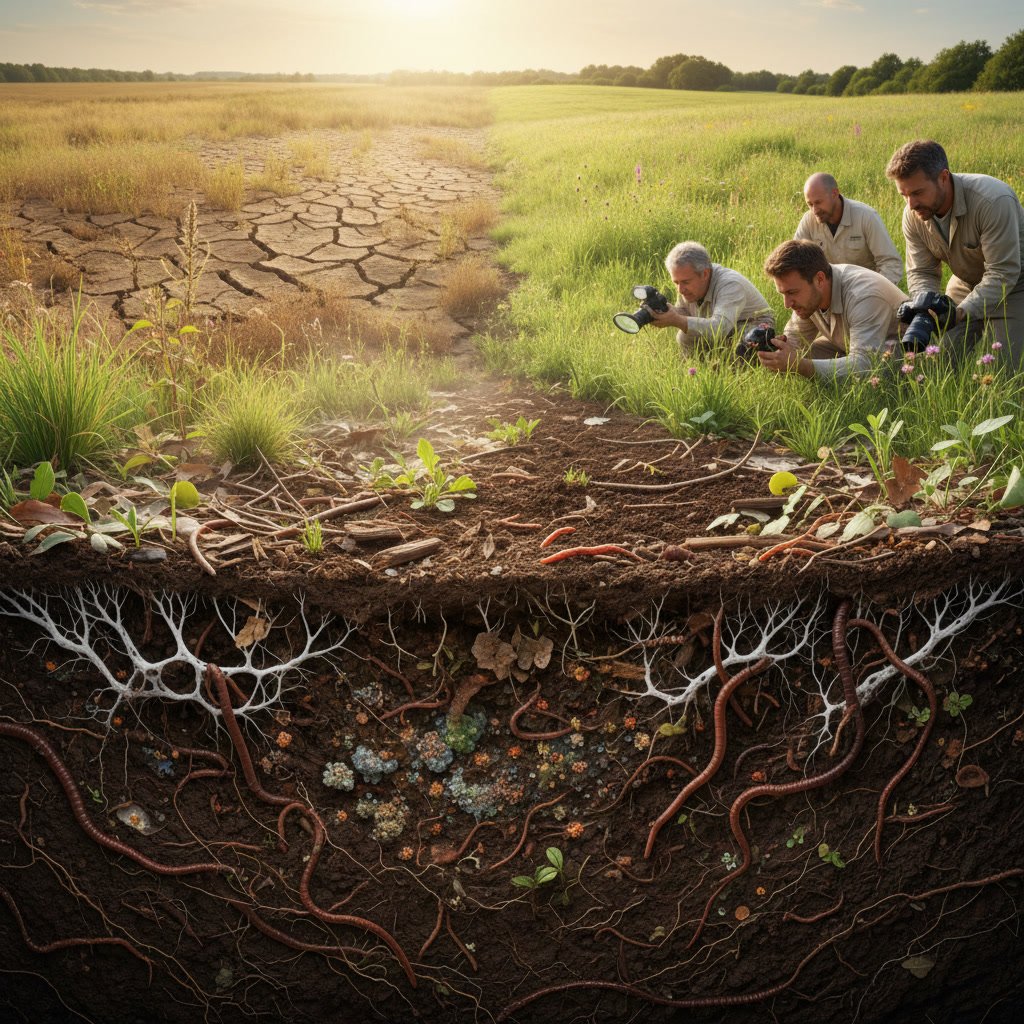
Bacteria, fungi, protozoa, and nematodes do far more than decompose organic matter. These organisms secrete sticky compounds called glomalin and extracellular polysaccharides that glue soil particles into stable aggregates. The spaces between these aggregates form a network of micropores and macropores that hold water like a sponge holds liquid in its cells.
A single gram of healthy soil can contain over one billion bacteria and several yards of fungal hyphae. Mycorrhizal fungi extend root reach by 10 to 100 times, accessing water far beyond where plant roots alone can venture. When you kill off these populations through salt-based fertilizers, pesticides, or simple neglect, the physical architecture of the soil collapses and water retention plummets.
How Organic Matter Acts as a Moisture Reservoir in San Diego County
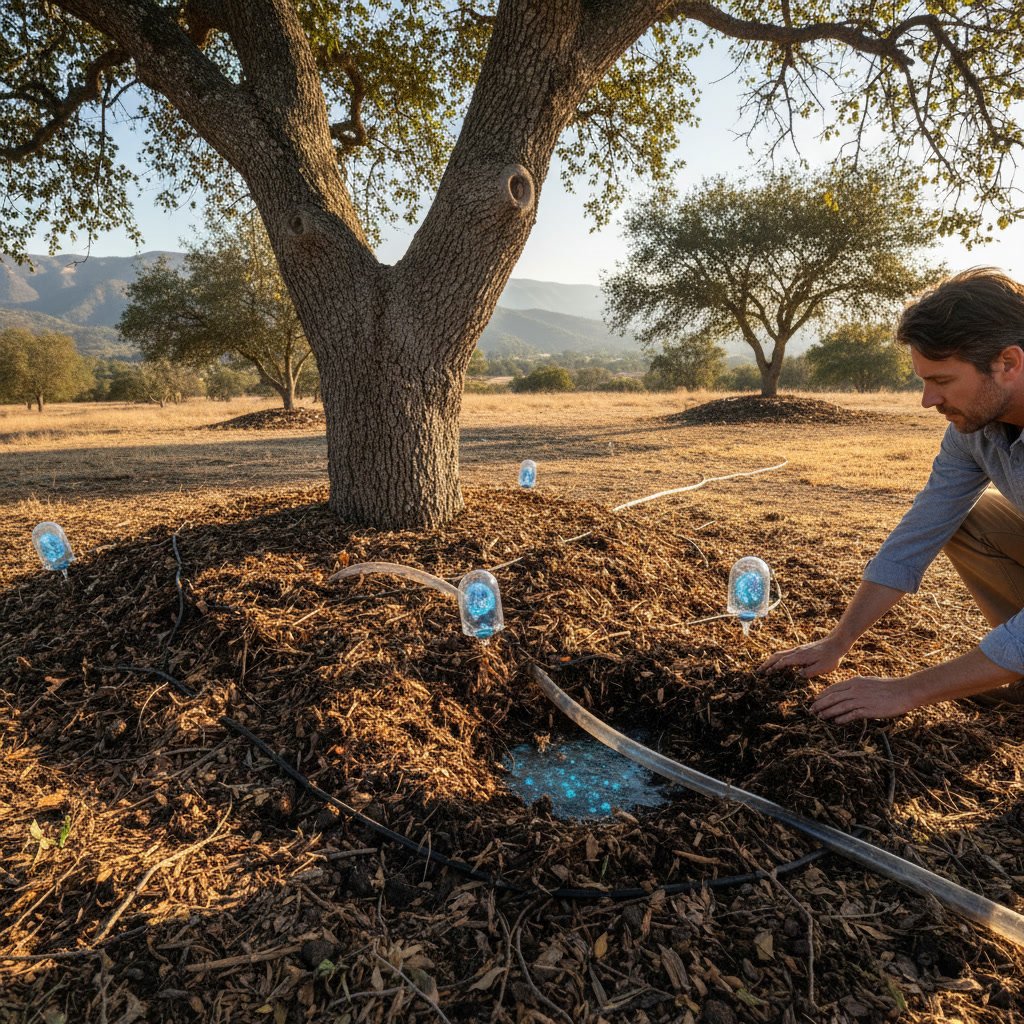
Organic matter can hold up to 20 times its weight in water. In a region where rainfall averages 10 inches annually, every percentage point of organic matter you add to the top 12 inches of soil can store thousands of gallons per acre. Microbial activity is what converts raw amendments into stable humus that persists for years rather than weeks.
Living microbes consume fresh compost, mulch, and plant residues, transforming them into complex organic molecules that coat mineral particles and fill voids. This humus layer buffers against temperature swings, reduces evaporation, and slowly releases moisture during dry spells. Without a thriving microbial workforce, added organic matter simply oxidizes or washes away before it can improve water holding capacity.
Compaction and Biology Work Against Each Other
Compacted soils squeeze out the air spaces microbes need to survive. Anaerobic conditions favor pathogens over beneficial organisms, and root growth stalls in dense layers that resist both water infiltration and biological colonization. Airspade soil decompaction physically opens these layers using supersonic air, creating room for roots and biology to reestablish without damaging existing trees.
Once pore space returns, reintroducing diverse microbial inoculants and food sources allows beneficial fungi and bacteria to rebuild the aggregates that keep soil loose and receptive. This combination of mechanical decompaction and biological restoration produces results neither approach can achieve alone. Water that once ran off now percolates down to root zones, stored in a living matrix that feeds it back to plants as needed.
Three Stages of Biological Water Retention Improvement
Restoration follows a predictable sequence when done correctly. Stage one focuses on stopping further harm by eliminating practices that kill soil life, such as overwatering, synthetic salt fertilizers, and broad-spectrum pesticides. You cannot rebuild biology faster than you destroy it.
Stage two introduces diverse microbial inoculants, including mycorrhizal fungi suited to your specific plant palette, along with bacterial consortia that cycle nutrients and build soil structure. Pairing these inoculants with food sources like compost, humic acids, and molasses ensures the new arrivals establish and reproduce rather than starve out.
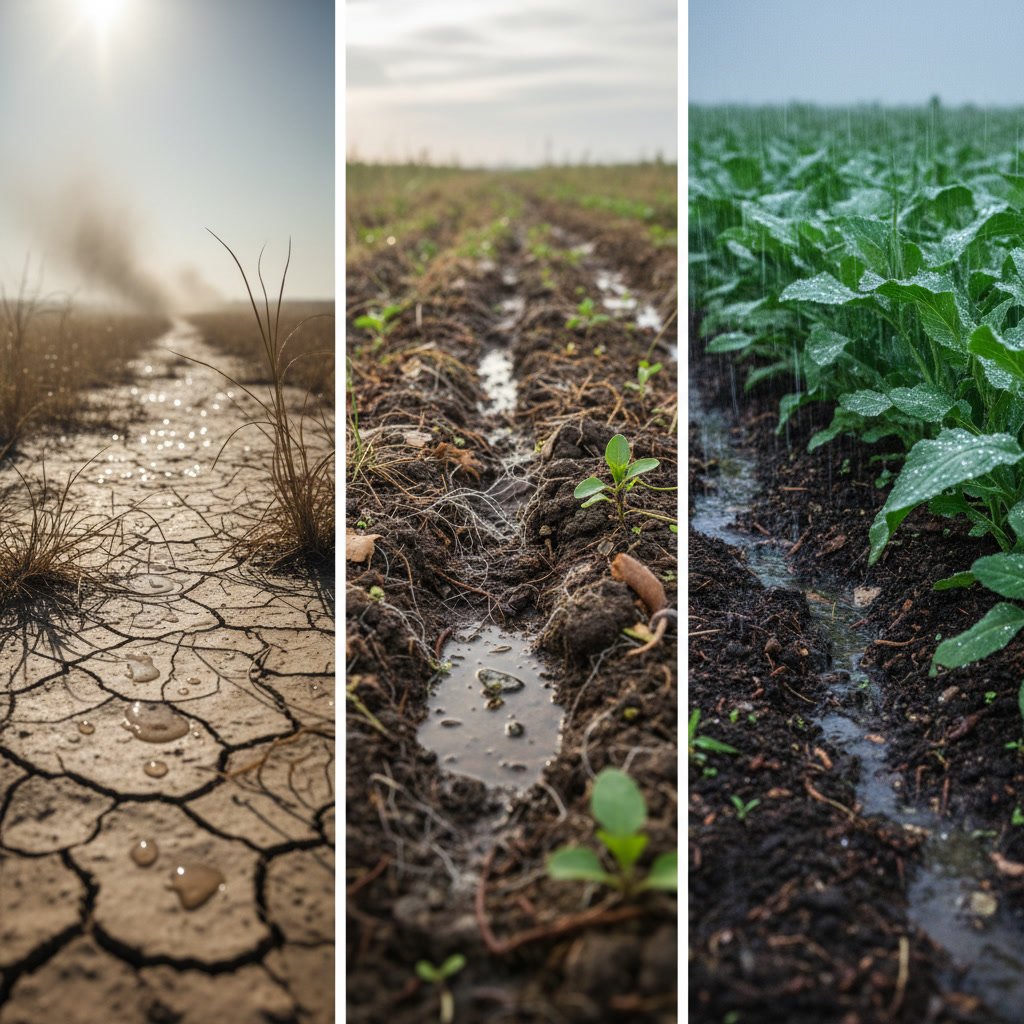
Stage three maintains momentum through regular applications of compost tea, mulch renewal, and monitoring soil respiration to confirm microbial populations remain active. Water holding capacity improves incrementally over months, with the most dramatic gains appearing between six and 18 months as fungal networks mature and humus accumulates.
Root Expansion Follows Biological Recovery
Trees and shrubs extend roots only where conditions support growth. Dense, lifeless soil repels roots just as it repels water. As rebuilding biology reopens pore space and supplies nutrients in plant-available forms, roots proliferate into previously inaccessible zones.
Deeper roots access moisture reserves below the surface evaporation zone, allowing plants to survive longer between irrigation cycles. Fine root hairs, which perform most water and nutrient uptake, thrive in biologically active soil where mycorrhizae deliver phosphorus and trace minerals in exchange for plant sugars. This symbiosis reduces dependency on supplemental water and fertilizer while improving drought resilience.
Measuring Water Retention Before and After Restoration
Simple field tests reveal how much your soil has improved. A basic infiltration test measures how many inches per hour water penetrates the surface. Healthy soil accepts at least two inches per hour, while degraded soil may take only a quarter inch or less before runoff begins.
Soil moisture probes placed at six and 12 inches show how long water remains available after irrigation stops. In restored soil, readings stay elevated for days longer than in untreated areas, proving the biological sponge is functioning. Comparing water bills before and after restoration often shows reductions of 30 to 50 percent as efficiency improves, a measurable return on investment that continues year after year.
Species-Specific Benefits Across Southern California Landscapes
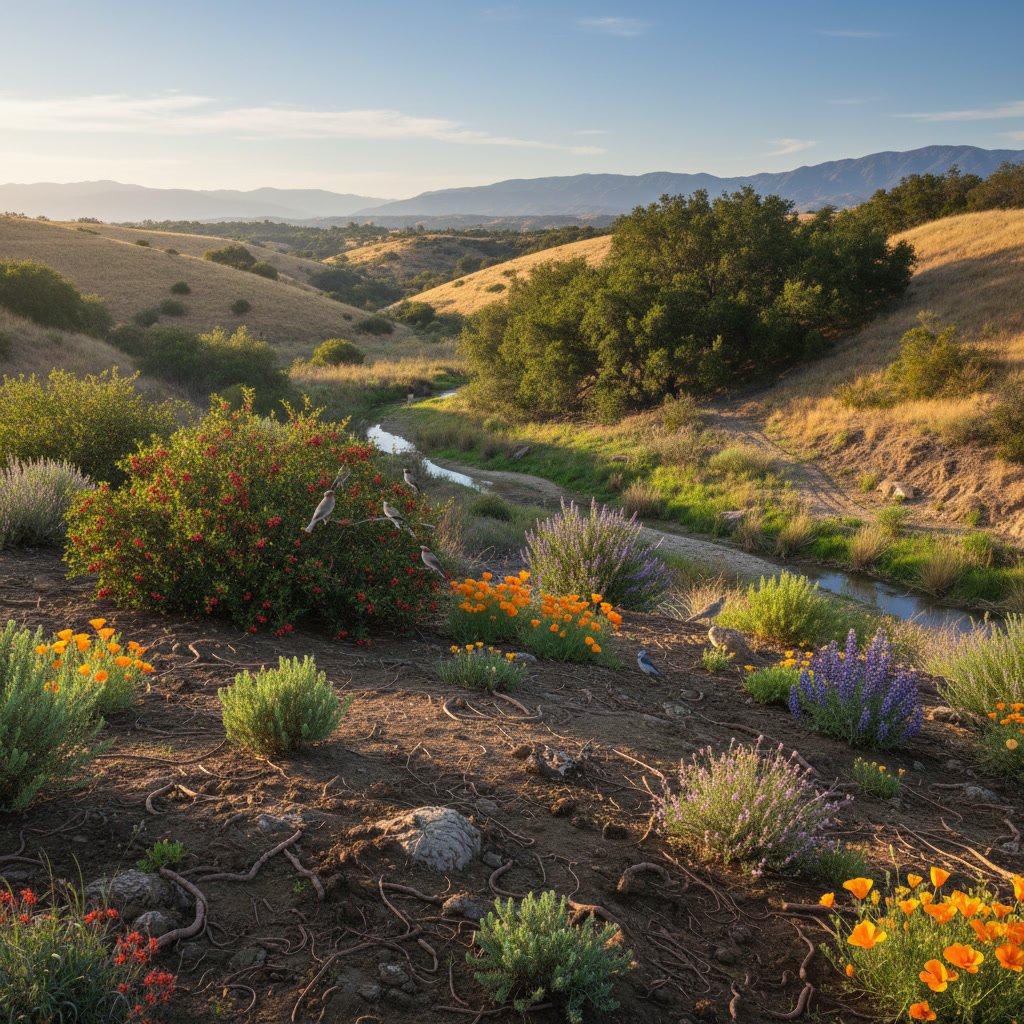
Oaks, sycamores, and native shrubs evolved in soils rich with mycorrhizae and beneficial bacteria. When you restore these partnerships, drought tolerance returns to levels not seen in decades. Expert plant health care tailors biological restoration to the specific needs of each species, recognizing that palms require different fungal partners than oaks or citrus.
Palms, for instance, benefit from bacterial communities that fix nitrogen and solubilize potassium, while their roots remain non-mycorrhizal. Restoring biology around palm health focuses on bacterial diversity and organic matter that holds moisture near the surface where feeder roots concentrate. Oaks need ectomycorrhizal fungi that form sheaths around fine roots, extending their reach into dry subsoil during summer.
Common Mistakes That Prevent Biological Recovery
Overwatering ranks as the most frequent error. Saturated soil drives out oxygen, killing aerobic microbes and encouraging root rot pathogens. Frequent shallow watering trains roots to stay near the surface, where they remain vulnerable to heat and drought. Deep, infrequent irrigation encourages roots to follow moisture downward, supported by microbial networks that extend their range.
Applying synthetic fertilizers high in salts burns microbial populations and disrupts nutrient cycling. Microbes become redundant when plants receive direct chemical feeds, so populations crash and soil structure degrades. Organic nutrition feeds biology first, which then feeds plants in a sustainable cycle that builds rather than depletes soil capital.
Long-Term Water Savings and Resilience
Properties that invest in biological restoration see cumulative benefits that compound over time. As humus builds and fungal networks mature, each rain event or irrigation cycle stores more water deeper in the profile. During prolonged dry spells, plants draw on these reserves, showing less stress and requiring less emergency watering.
Healthy soil biology also improves infiltration during heavy rains, reducing erosion and runoff that would otherwise carry topsoil and nutrients off-site. Water that soaks in rather than running off recharges the root zone and, in some cases, local aquifers. This resilience becomes critical as climate variability increases and water costs rise across the region.
If you recognize signs your soil needs restoration, such as persistent dry patches, poor infiltration, or plants that wilt despite regular watering, biological intervention offers a proven path forward. Understanding how soil biology rebuilding works equips you to make informed decisions about the health of your landscape investment.
Restoring the Foundation for Lasting Landscape Health
Rebuilding the microbial communities that create water-holding soil structure addresses the root cause of irrigation inefficiency and drought stress. When biology thrives, water retention improves, root systems expand, and landscapes require less input to remain healthy and attractive. The transformation takes time but delivers returns that grow year after year.
SD SOIL AND SOUL LLC provides science-based soil restoration that rebuilds the biological foundation your landscape depends on. From Rancho Santa Fe to Valley Center, property owners trust our methods to improve water efficiency and plant health without the guesswork. Call +17609357256 to schedule a soil assessment and discover how restoring biology can reduce your water costs and strengthen your landscape for the long term.