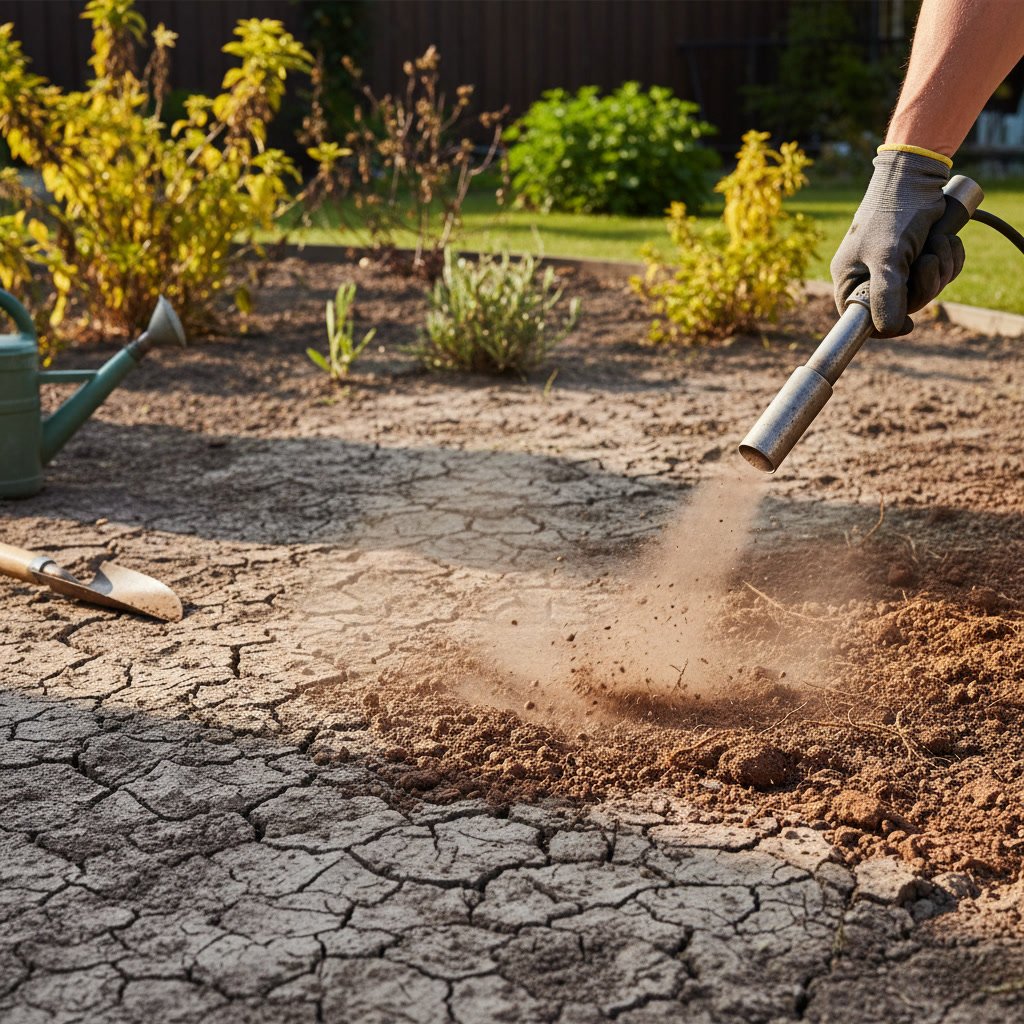
Healthy soil teems with microscopic life that feeds your trees, palms, and landscape plants. When that biology breaks down, visible warning signs appear in both soil structure and plant health. Understanding when your soil needs restoration can mean the difference between a thriving landscape and years of costly repairs. Southern California’s unique climate and development patterns create specific conditions that accelerate biological decline, making early detection essential for property owners who want to preserve mature trees and valuable plantings.
Why Soil Biology Matters More Than Fertilizer
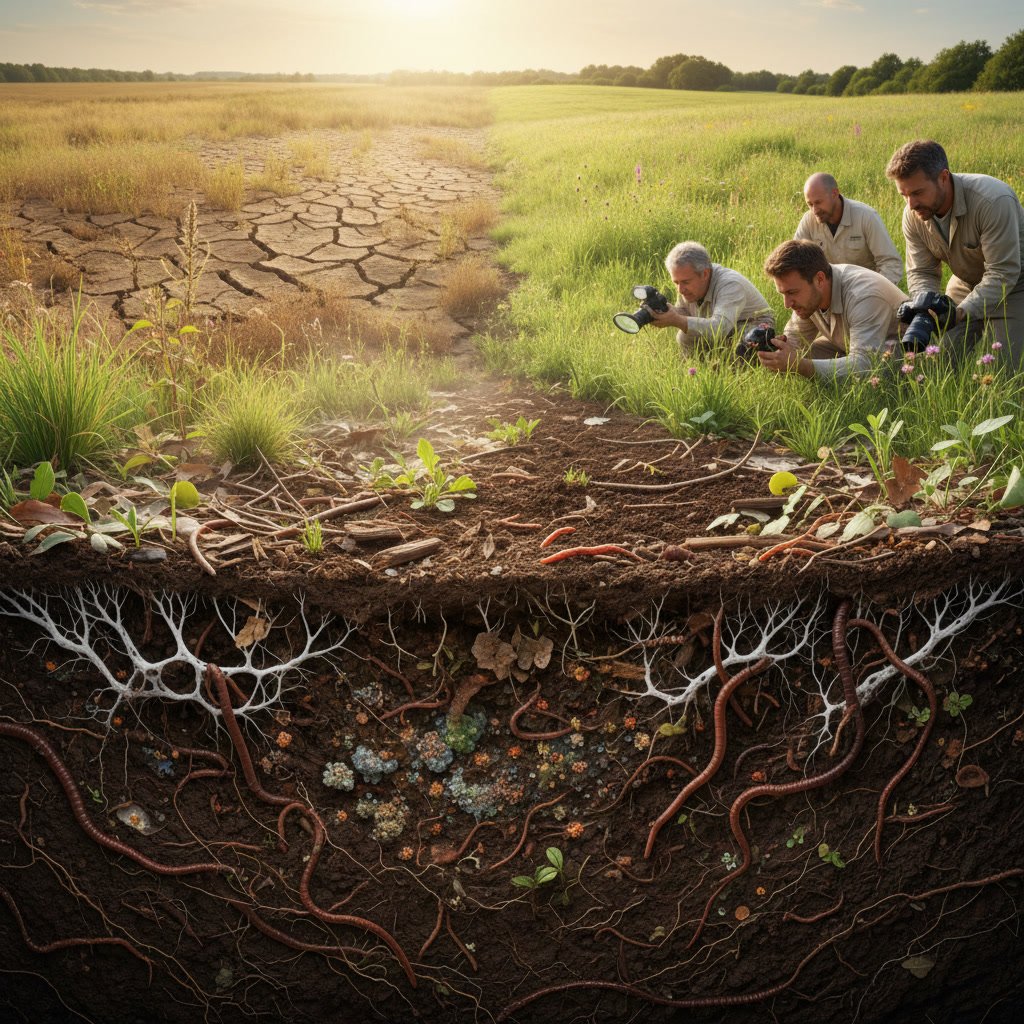
Most property owners assume yellowing leaves or slow growth mean plants need more fertilizer. The reality is more complex. Soil microorganisms break down organic matter, cycle nutrients, and form partnerships with plant roots that allow absorption of minerals already present in the ground. When bacterial and fungal populations collapse, plants starve even when chemical nutrients sit unused in the soil. The soil food web includes billions of organisms per teaspoon of healthy earth, from bacteria and fungi to protozoa and nematodes. Each plays a role in nutrient cycling, disease suppression, and soil structure formation.
Fertilizer application without addressing biology often makes problems worse. High-salt synthetic products can kill remaining microorganisms, creating dependency cycles where plants require ever-increasing inputs to maintain basic health. Rebuilding the biological foundation restores natural nutrient cycling and reduces long-term maintenance costs.
Hard Pan and Compacted Layers That Reject Water
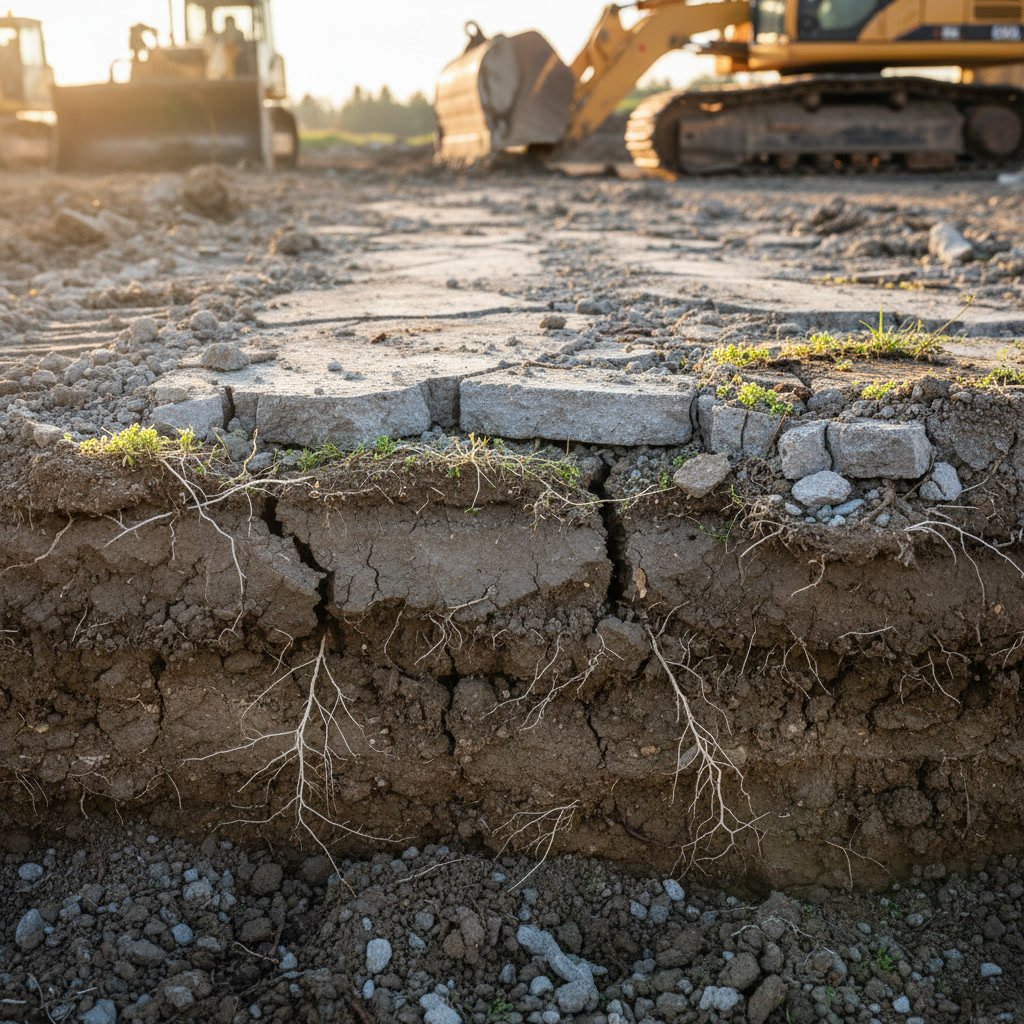
When rain or irrigation water pools on the surface or runs off instead of soaking in, compaction has likely destroyed soil structure. Healthy soil contains spaces between particles where air, water, and roots move freely. Construction activity, repeated foot traffic, or years of mechanical soil disruption crush these spaces into dense layers that roots cannot penetrate.
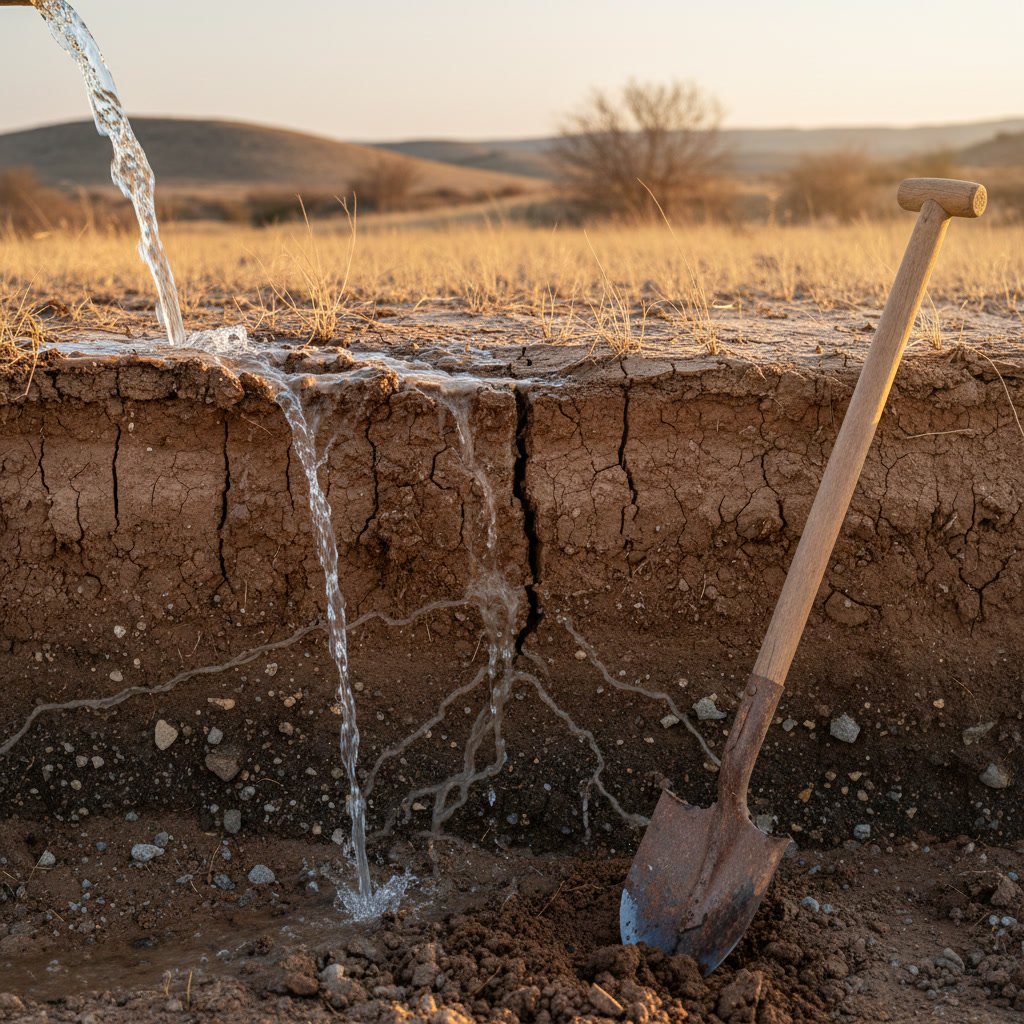
You can test for compaction with a simple screwdriver test. Push a long screwdriver into moist soil. In healthy ground, it slides in with moderate pressure. Compacted soil stops the tool within a few inches. Hard pan layers often form 6 to 18 inches below the surface, invisible from above but devastating to deep-rooted trees. Biological rebuilding combined with mechanical decompaction using tools like the Airspade creates lasting improvement that simple tilling cannot match.
Visible Plant Stress Patterns Across Your Property in San Diego County
Drive through neighborhoods in Rancho Santa Fe, Encinitas, or Fallbrook and you will notice properties where entire sections show decline. Trees with thinning canopies cluster in areas that once hosted construction staging. Palms display uniform yellowing across a property line. These patterns reveal soil damage rather than individual plant disease. When multiple species show stress in the same zone, the common factor is almost always soil conditions beneath them.
Gold spotted oak borers and other pests preferentially attack trees already weakened by poor soil health. Healthy trees with robust root systems and adequate nutrient flow produce defensive compounds that deter many insects. Stressed trees become targets, creating a cycle where pest pressure and soil decline reinforce each other.
The Five Physical Signs of Biological Collapse
Soil that has lost its living component displays specific physical characteristics. First, it loses structure and becomes either powdery dust when dry or sticky clay when wet, with no crumbly texture in between. Second, organic matter disappears, leaving mineral soil with no dark color or earthy smell. Third, crusting forms on the surface after rain or irrigation, sealing the top layer. Fourth, water penetration slows dramatically, with puddles persisting for hours after watering stops. Fifth, exposed soil erodes easily, washing away in sheets during storms rather than staying in place.
These five indicators often appear together. Finding even two or three suggests significant biological decline that will only worsen without intervention. The good news is that soil biology can rebuild surprisingly quickly when conditions improve and microbial populations are reintroduced through proven methods.
Root Depth Limitations and Shallow Feeder Patterns
Trees and large shrubs naturally develop deep anchor roots and extensive lateral feeders. When biology fails and compaction sets in, roots cannot grow downward. Instead, they spread horizontally in the top few inches of soil, creating unstable trees vulnerable to wind throw and drought stress. Digging near an affected tree often reveals a dense mat of roots circling just below the surface with nothing extending deeper.
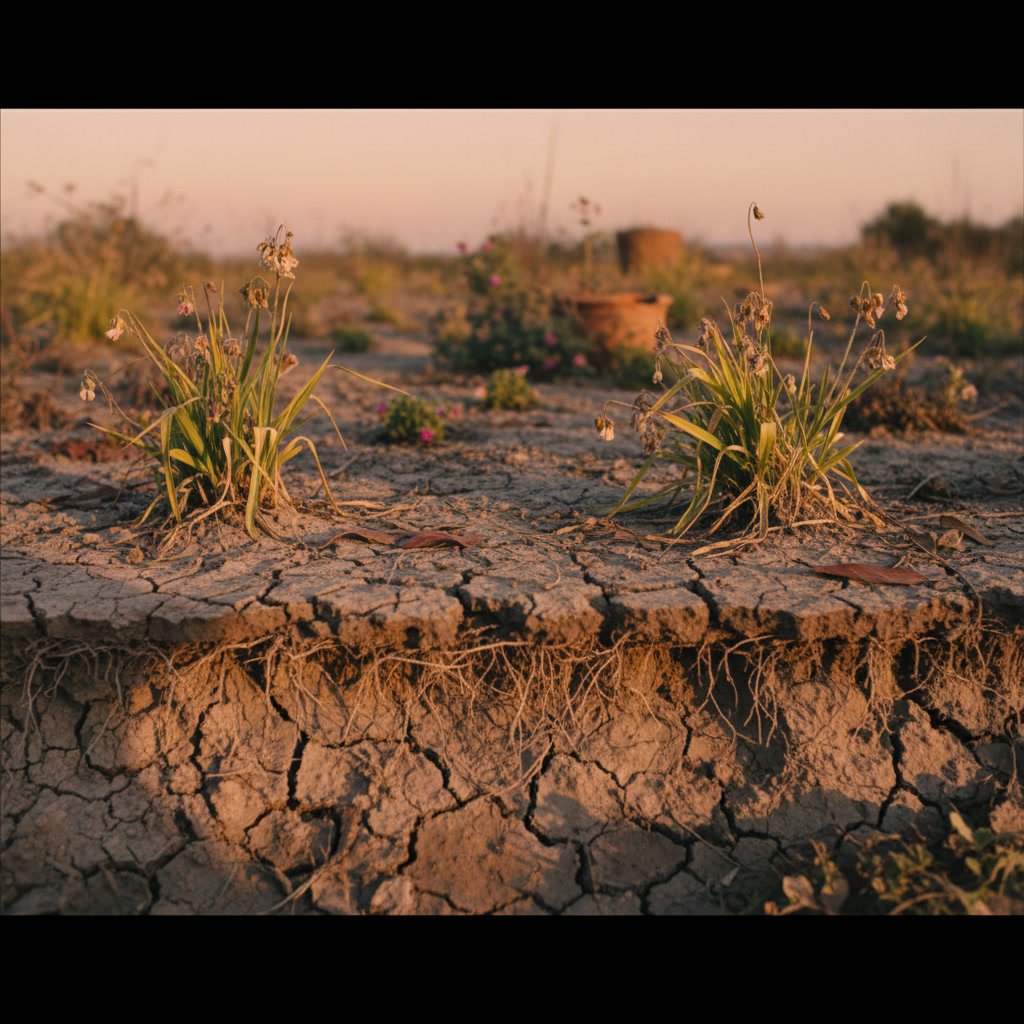
Palm species show this pattern clearly. Healthy palms send roots 3 to 5 feet deep, accessing moisture and stability. Palms growing in biologically dead soil keep all roots in the top 12 inches, requiring constant irrigation and remaining prone to toppling. Palm nutrition therapy addresses the symptoms, but lasting health requires rebuilding the soil environment that allows proper root development.
Persistent Disease and Pest Cycles Despite Treatment
When you treat a disease or pest problem and it returns within weeks or months, the real issue sits in the soil. Healthy soil contains beneficial organisms that suppress pathogens and compete with disease agents. Depleted soil offers no biological resistance, allowing problems to persist despite chemical interventions. This pattern drives repeated treatment costs without solving underlying causes.
SD SOIL AND SOUL LLC approaches these cycles differently by addressing root causes. Rebuilding soil biology restores natural disease suppression mechanisms that keep pest populations in check without ongoing chemical inputs. Property owners often see pest pressure drop significantly within a growing season once biological balance returns.
Nutrient Deficiency Symptoms That Do Not Respond to Feeding
Iron chlorosis shows as yellowing between leaf veins while veins stay green. Nitrogen deficiency appears as overall pale color and reduced growth. Potassium shortage causes leaf edge burning. When you apply appropriate fertilizers and symptoms persist or worsen, nutrient lockup from biological failure is the likely culprit. The minerals exist in the soil but remain chemically unavailable to plants without microbial mediation.
Southern California soils tend toward alkaline pH, which chemically binds iron, manganese, and zinc into forms plants cannot absorb. Soil microorganisms produce organic acids and chelating compounds that free these nutrients. Without active biology, chelated iron injections and foliar sprays provide temporary relief but never solve the problem. Restoring microbial populations allows plants to access existing soil nutrients naturally.
Soil Testing Results That Reveal Biological Deficit
Standard soil tests measure pH, nitrogen, phosphorus, potassium, and sometimes micronutrients. These chemical analyses miss the biological picture entirely. Advanced testing that measures microbial biomass, fungal to bacterial ratios, and soil respiration rates provides the missing information. A soil test showing adequate mineral content but low organic matter and minimal biological activity confirms that your soil needs restoration at the biological level, not chemical supplementation.
Organic matter content below 2 percent in planted areas indicates severe depletion. Active microbial biomass below detectable levels means the soil cannot support plant health regardless of what you add. These metrics give clear targets for restoration efforts and allow you to track recovery over time.
Timeline and Steps for Effective Biological Recovery
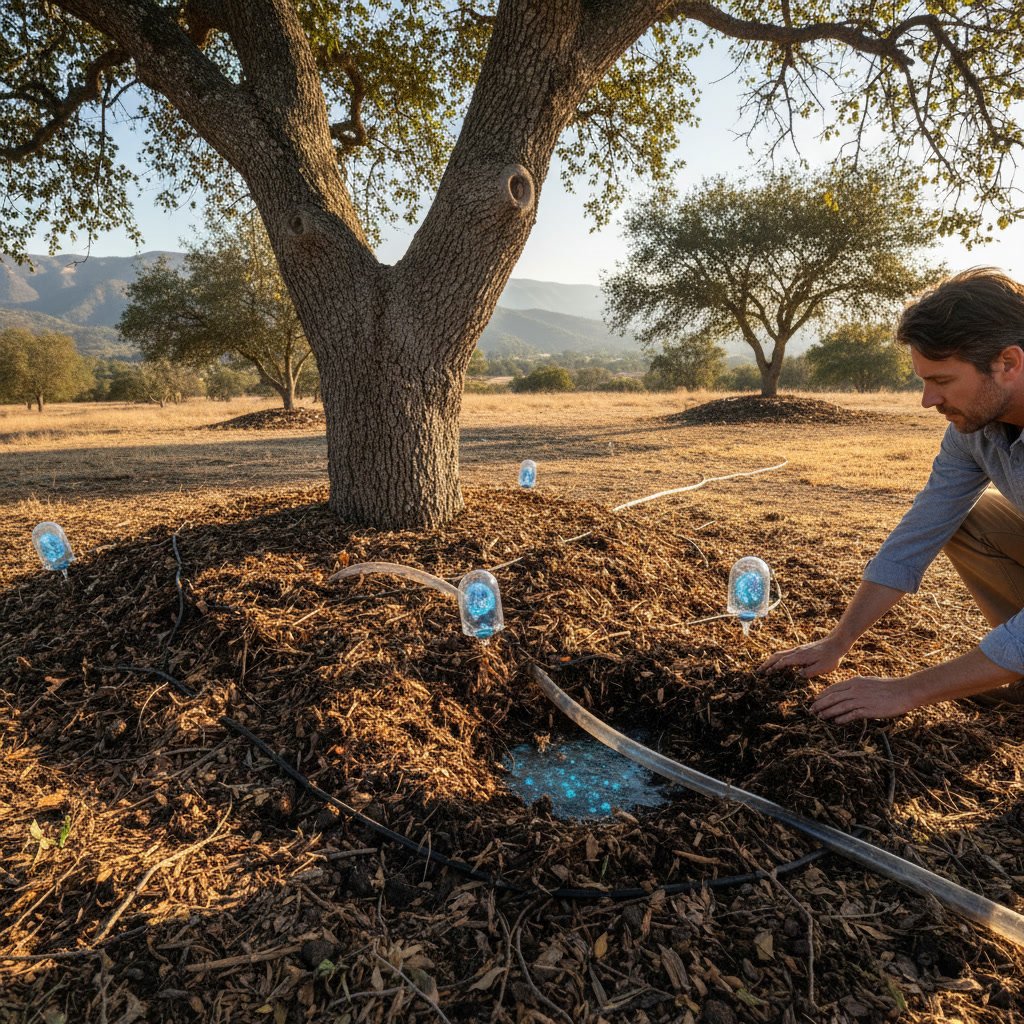
Rebuilding soil biology follows a logical sequence. Step one involves mechanical decompaction to restore air and water movement. Step two introduces diverse microbial inoculants containing bacteria, fungi, and protozoa matched to your soil conditions. Step three adds organic matter as food for establishing populations. Step four adjusts irrigation to support biology without creating anaerobic conditions. Step five monitors recovery and adjusts inputs based on response.

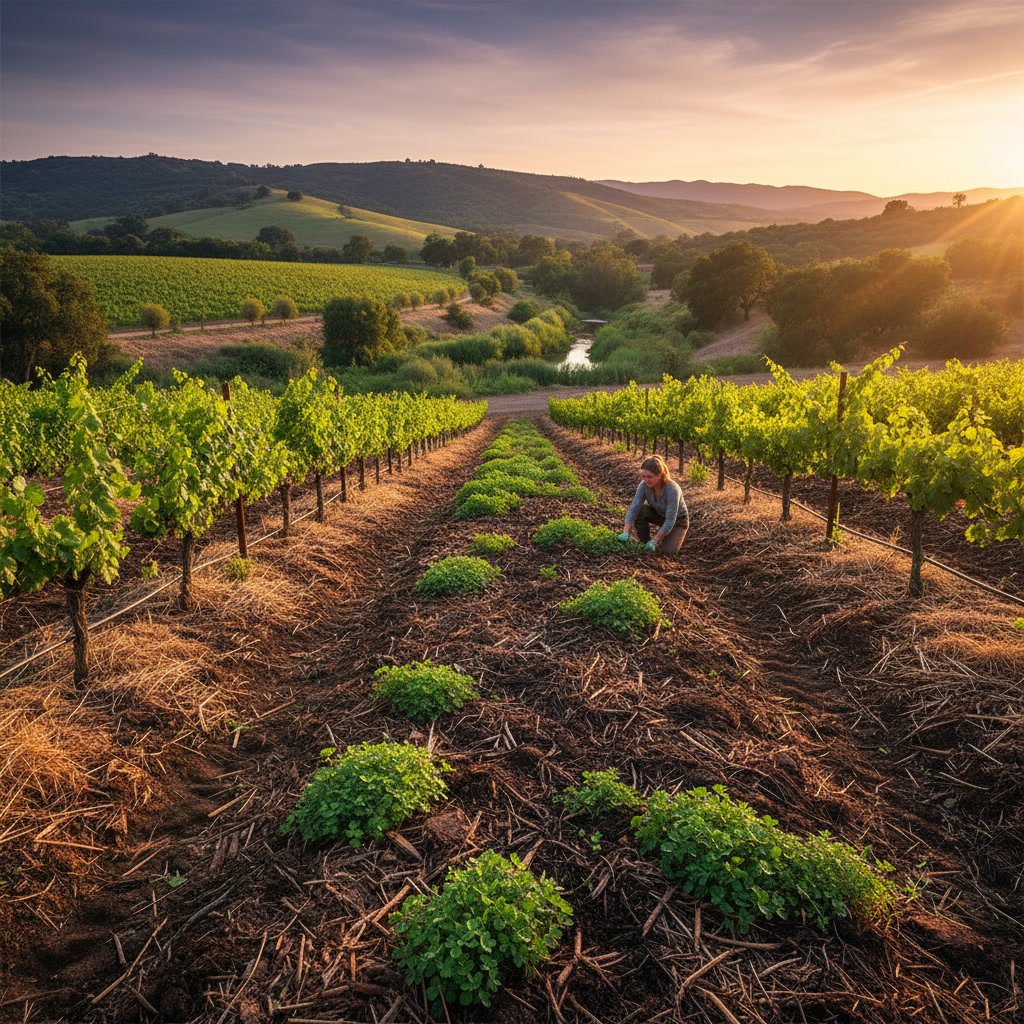
Most properties show measurable improvement within 60 to 90 days. Surface crusting breaks up first. Water infiltration improves noticeably. Plant stress symptoms begin resolving as nutrient availability increases. Full recovery to stable, self-sustaining biology typically requires one to two years of management, but the trajectory becomes clear within the first season. The investment pays dividends for decades as healthy soil maintains itself with minimal intervention.
Cost of Delayed Action Versus Proactive Restoration
Mature trees represent substantial value, often appraised at $10,000 to $50,000 or more for specimen oaks, sycamores, and established palms. Losing even one tree to preventable decline costs far more than soil restoration for an entire property. Beyond direct replacement costs, dead trees create liability, require expensive removal, eliminate shade and cooling benefits, and reduce property values. Palms affected by nutrient deficiencies become increasingly expensive to maintain through repeated therapies that address symptoms rather than causes.
Proactive biological rebuilding before trees enter severe decline costs less and succeeds more reliably than attempting recovery after years of stress. Early intervention preserves root systems and vascular function that cannot be restored once lost. Property owners who act on early warning signs avoid the cascade of problems that follow prolonged soil degradation.
Building Soil Health for Long-Term Landscape Success
Recognizing when biological intervention becomes necessary protects your landscape investment and eliminates the frustration of treatments that do not work. The warning signs discussed here appear in predictable patterns across Southern California properties, from coastal Carlsbad to inland Valley Center, reflecting our region’s development history and environmental conditions. Soil biology is not abstract science but the functional foundation that determines whether your trees and palms thrive or decline over time. Addressing deficits early creates resilient landscapes that perform better with less maintenance year after year.
SD SOIL AND SOUL LLC specializes in science-based soil restoration and expert plant health care throughout the region. If you recognize any of these warning signs on your property, a professional assessment can identify specific problems and outline effective solutions. Call +17609357256 to schedule an evaluation and start building the healthy soil your landscape deserves.